Blockchain & DeFi Development
On-chain code is public, immutable and holds real money. wwwdot.dev builds against audited patterns, proves behaviour with full test coverage, and coordinates third-party audits before anything holding value reaches mainnet.
What we build
- Token contracts (ERC20, BEP20)
- DEX, AMM and orderbook protocols
- Lending, borrowing and yield systems
- Staking, vesting and lock-up contracts
- Layer 1 and rollup chain setup
- Escrow-based P2P exchange platforms
- Trading terminals and protocol dashboards
How we work
Audited patterns, not clever code
Contracts are built on established implementations such as OpenZeppelin. Novelty in a contract holding funds is a liability, so invention is reserved for the parts of the protocol that genuinely require it.
Tested to the edges
Full test coverage plus static analysis, with adversarial cases written deliberately: reentrancy, rounding, oracle failure and access-control paths. The tests are part of what is handed over.
Audited before value
Third-party audits are coordinated for any contract that will hold real value, before mainnet. Audit findings are resolved and re-verified rather than acknowledged.
Shipped work
Products already built and running, not concept pieces.
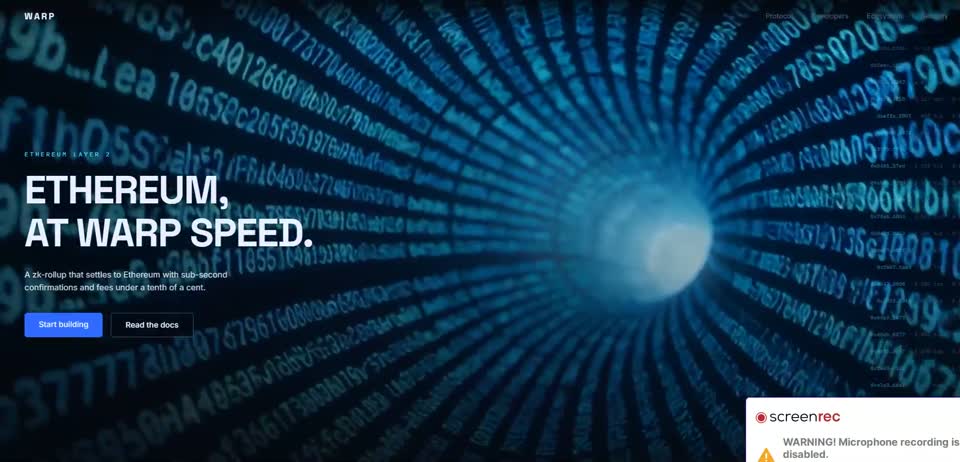
L1 Chain
Ethereum, at warp speed.
Blockchain Infrastructure · Rust · Solidity · Go
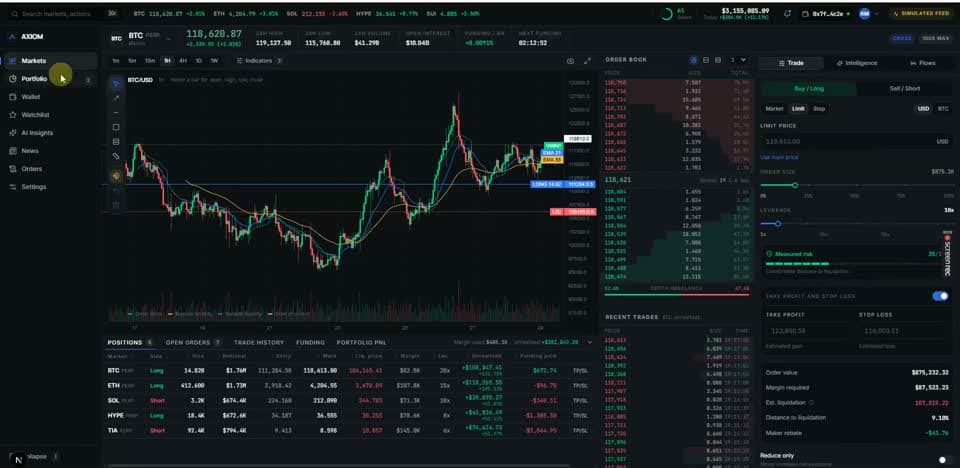
HYPE Terminal
A trading desk that fits in a tab.
Crypto Derivatives · React · WebSocket · Web3
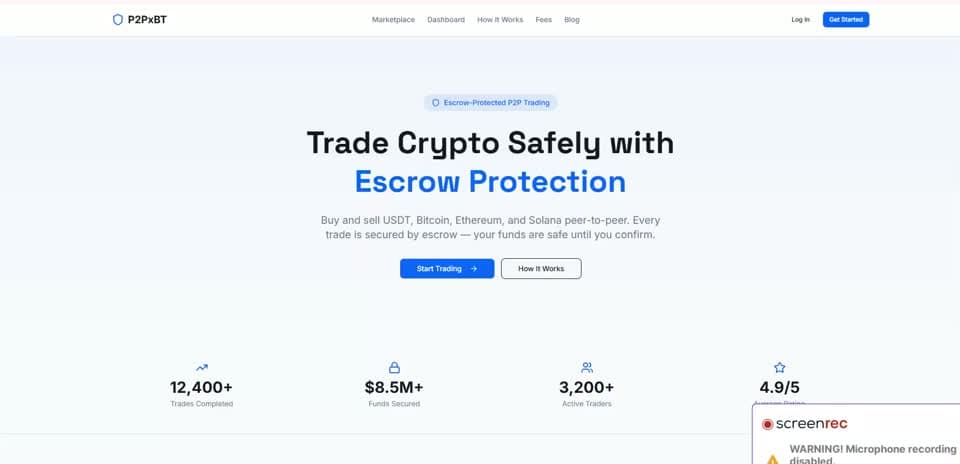
P2PxBT
Peer to peer, escrow protected.
Crypto Exchange · React · Node.js · Web3
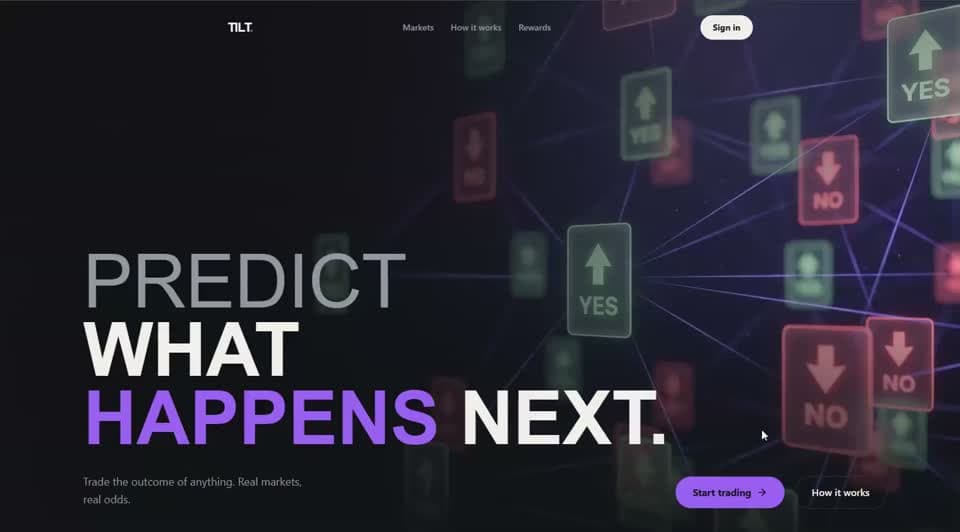
PREDIKT
Markets for what happens next.
Prediction Markets · Solidity · React · The Graph
Blockchain & DeFi Development questions
- Are the smart contracts audited?
- wwwdot.dev builds against audited patterns such as OpenZeppelin, runs static analysis and full test coverage, and coordinates third-party audits for any contract holding real value before it reaches mainnet. Audits are arranged with independent firms rather than performed in-house.
- Which chains do you build on?
- EVM-compatible chains primarily, including Layer 2 rollups, plus custom Layer 1 work. L1 Chain is a custom Layer 1 with proof-of-stake consensus and EVM compatibility, so existing contracts deploy unchanged.
- How long does a DeFi protocol take to build?
- A full DeFi protocol typically runs 2 to 4 months including testing and audit coordination. Simpler contract work such as tokens, staking or vesting is considerably shorter.
Related services
Tell us what you are trying to ship.
We reply within one business day, usually with questions and a rough scope.