MVP Development for Startups
Most MVPs fail in one of two ways: they take so long the market moves, or they are built so disposably that success forces a rewrite. wwwdot.dev aims at the narrow path between — the smallest product that proves the thesis, on foundations that hold if it does.
What we build
- Scope definition and thesis framing
- Web and mobile-ready product builds
- AI features integrated from day one
- Authentication, payments and onboarding
- Analytics and instrumentation
- Production deployment and monitoring
- Investor-ready demo environments
How we work
Cut scope, not quality
Speed comes from building fewer things, not from building things badly. Features are argued down before the timeline is, because a shipped MVP with three solid flows outperforms a delayed one with ten shaky ones.
Weekly working software
Progress is demonstrated as software you can use, every week, from week one. Slippage becomes visible in the first fortnight rather than the last, when there is still time to change scope.
Built to survive success
Architecture is chosen so that traction does not trigger a rewrite. Nothing is gold-plated, but the data model, auth and deployment path are ones you can still be using at ten times the load.
Shipped work
Products already built and running, not concept pieces.
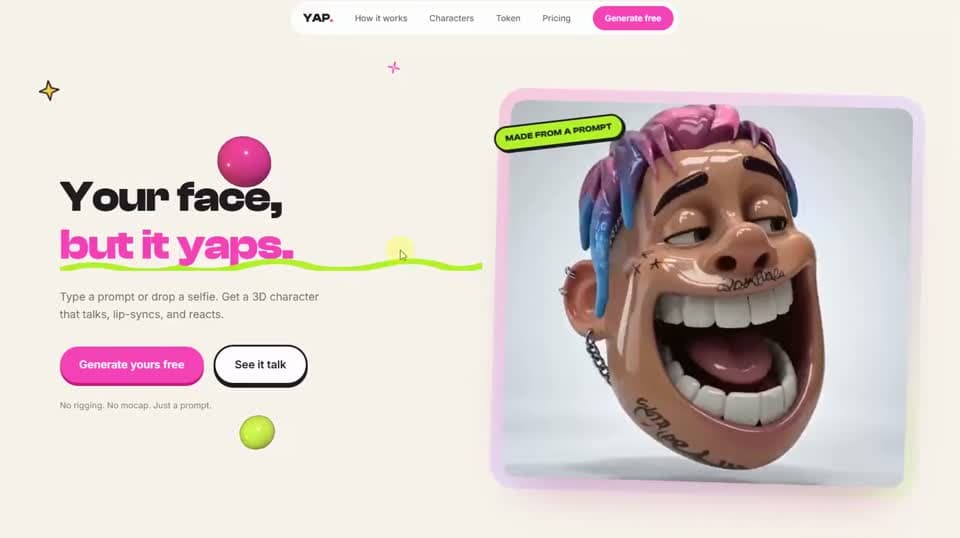
YAP
Your face, but it yaps.
Consumer AI · React · Node.js · OpenAI
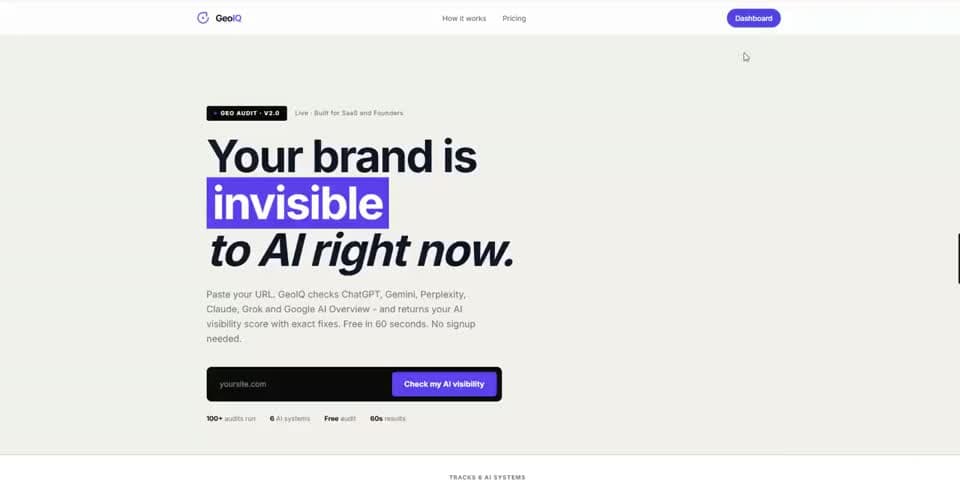
GeoIQ
Find out what AI says about you.
Marketing Intelligence · React · PostgreSQL · OpenAI

PREDIKT
Markets for what happens next.
Prediction Markets · Solidity · React · The Graph
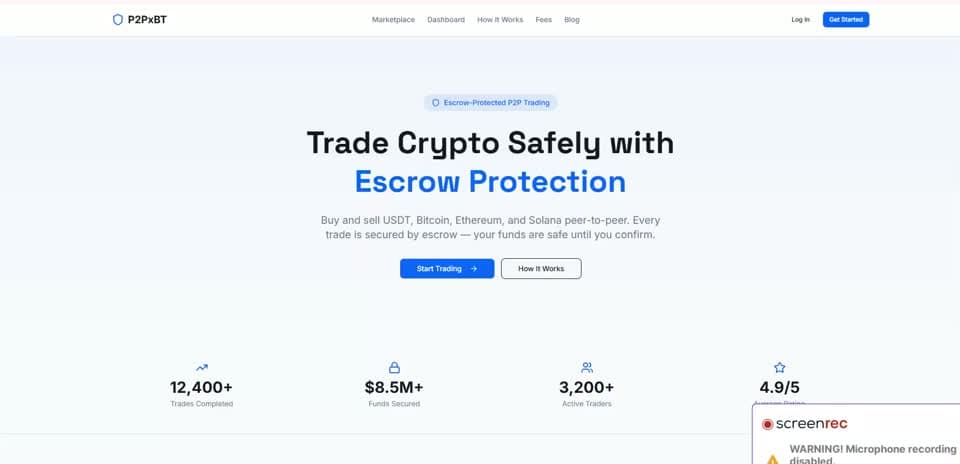
P2PxBT
Peer to peer, escrow protected.
Crypto Exchange · React · Node.js · Web3
MVP Development for Startups questions
- How long does it take to build an MVP?
- An MVP typically takes 4 to 8 weeks depending on scope. A landing experience runs 1 to 2 weeks. A concrete timeline is committed after the discovery call, with working software demonstrated every week against it.
- What should be in an MVP and what should be cut?
- An MVP should contain only what is needed to test the central assumption. Everything that can be done manually, faked, or postponed without invalidating the test should be cut. wwwdot.dev argues scope down during discovery, before the timeline is set.
- Will the MVP need rewriting if it succeeds?
- It should not. Speed comes from building fewer features rather than lower-quality ones, and the data model, authentication and deployment path are chosen so they remain viable at significantly higher load.
Related services
Tell us what you are trying to ship.
We reply within one business day, usually with questions and a rough scope.